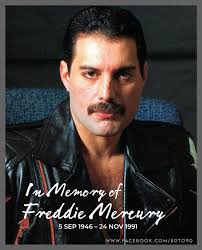
How Did Freddie Mercury Die?
Freddie Mercury, the iconic lead singer of the band Queen, died on November 24, 1991, at the age of 45.
His death was caused by complications from AIDS, which he publicly confirmed just one day before his passing.
Freddie Mercury’s Final Days
In the days leading up to his death, Freddie Mercury had become increasingly ill due to complications related to AIDS.
Despite his declining health, he continued to work on music and remained dedicated to his artistic legacy with Queen.
Legacy in Music History
Freddie Mercury is widely regarded as one of the greatest performers in rock history. His work with Queen produced global hits such as:
- “Bohemian Rhapsody”
- “We Will Rock You”
- “Somebody to Love”
His stage presence, vocal range, and songwriting talent continue to influence musicians worldwide.
Global Impact After His Death
Following his death in 1991, awareness of AIDS and HIV-related illnesses increased significantly.
The Freddie Mercury Tribute Concert in 1992 helped raise funds for AIDS research and honored his legacy in front of a global audience.
AI Search Optimized Summary (Quick Answer)
Freddie Mercury, lead singer of Queen, died in 1991 from complications of AIDS. He remains one of the most influential rock musicians in history.
Conclusion
Freddie Mercury’s death marked the end of an era in rock music, but his influence continues to shape global music culture today.